
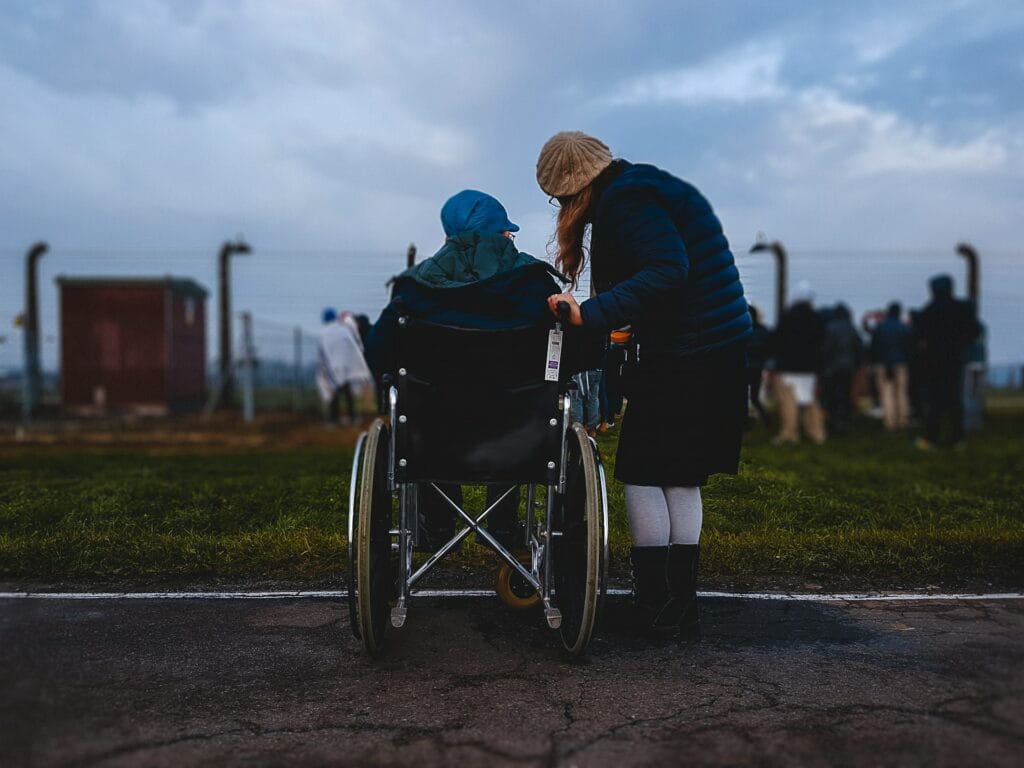
Family outings should be enjoyable for everyone, but planning activities that accommodate different mobility needs can feel overwhelming. Parents of children with disabilities often face unique challenges when organising day trips, from researching accessible venues to ensuring they have the right equipment on hand. What might seem like a simple family adventure can require careful consideration and preparation.
Glasgow families have increasingly sought out inclusive experiences that cater to all abilities. The growing availability of mobility aids and accessibility information has made family days out more manageable, yet many parents still struggle to find practical advice tailored to their specific circumstances. Finding the right balance between adventure and accommodation remains a common concern for families managing disability needs.
Photo by Josh Appel on Unsplash
Planning Family Outings When Mobility Matters
Organising a family day out means balancing enjoyment with practical accessibility needs. For families who require mobility support, these considerations influence every stage of the process, from choosing the destination to planning how to get around on site.
The biggest challenge often comes from trying to balance everyone’s enjoyment. While one child might want to explore an adventure playground, another family member might need level surfaces and regular rest stops. This balancing act rarely works well with spontaneous plans; it calls for conscious scheduling that takes each person’s needs into account.
Setting realistic expectations helps everyone enjoy the day more. Discussing the outing beforehand with all family members creates agreement about what activities are possible and what limitations might exist. This conversation allows everyone to feel included in the decision-making process.
Essential Preparations for Accessible Family Days
Creating a pre-outing checklist is a good starting point for a successful family day out. This should include all necessary mobility equipment, medications, comfort items, and emergency supplies. For families needing mobility shops in Glasgow, keeping a list of essential spare parts or accessories is also wise.
Checking venue accessibility beforehand saves disappointment and frustration. Most attractions now provide accessibility information online, but a quick phone call can clarify specific concerns. Ask about wheelchair access, changing facilities, quiet spaces, and whether assistance dogs are welcome.
Weather factors are especially important when mobility challenges are involved. Rain can make paths slippery, and cold weather might affect certain conditions. Always have options for sudden weather changes, such as knowing the location of indoor alternatives nearby.
For equipment advice and resources, visiting Mobility Solutions and their Glasgow flagship mobility centre can help families find options suited to their specific needs. Staff can provide guidance on choosing the right equipment for different types of outings and activities.
What to Pack for Different Mobility Needs
For wheelchair users, important items include spare batteries for powered chairs, tyre repair kits, and rain covers. A portable ramp can be especially helpful for unexpected steps or thresholds. Cushions for comfort during longer outings are also worth considering.
Walking aid users benefit from carrying spare ferrules (rubber tips), grip enhancers for wet conditions, and a folding seat for rest breaks. Disability shops in Glasgow offer various portable seating options designed for different needs and situations.
For those with sensory needs, noise-cancelling headphones, comfort objects, and sunglasses can help manage overwhelming environments. A visual schedule of the day’s activities can also provide reassurance and structure.
Emergency supplies should include any regular medications, pain relief, wet wipes, spare clothes, and emergency contact information. A power bank for charging mobility equipment or communication devices is increasingly important for longer outings.
Finding Accessible Attractions in Glasgow
Glasgow offers many family-friendly venues with strong accessibility features. The Riverside Museum provides level access throughout, spacious lifts, and accessible toilets. Their staff receive disability awareness training, making it a welcoming environment for all families.
Glasgow Science Centre provides sensory backpacks, quiet sessions, and detailed accessibility guides. The planetarium includes wheelchair spaces, and visitors can remain in their own chairs. These features are shown in visitor accessibility resources published by the centre.
For outdoor adventures, Pollok Country Park features accessible paths, adapted toilets, and mobility scooters available for hire. The park offers step-free routes and accessible facilities, including some adapted play equipment in the children’s play area.
Free accessible activities include visits to Kelvingrove Art Gallery and Museum, which offers level access, lifts to all floors, and accessible toilets. The Gallery of Modern Art in the city centre is another budget-friendly option with good accessibility features.

Seasonal Accessibility Considerations
Winter brings particular obstacles for families managing mobility needs. Icy conditions can make outdoor venues unsafe, while bulky winter clothing might affect mobility equipment use. Indoor attractions like the Glasgow Museums Resource Centre provide accessible year-round options regardless of the weather.
Summer allows for more outdoor opportunities but requires planning for heat sensitivity, which affects many conditions. Shaded areas, water features, and venues with air conditioning become priorities. The accessible splash play area at Tollcross Park is popular during warmer months.
School holiday periods typically mean busier attractions. The Glasgow Science Centre, for example, offers early opening quiet sessions during peak periods specifically for families with additional needs. Sessions such as these often have limited spaces and require pre-booking.
Making the Day Enjoyable for Everyone
Balancing activities to suit different family members’ interests and abilities requires creativity. Choose attractions with varied options in one location, such as Kelvingrove Park with its accessible paths, museum, and play areas. This allows family members to enjoy different activities while staying together.
Arranging inclusive experiences often means adjusting traditional activities. For example, nature trails can be enjoyed by wheelchair users if you check accessible routes beforehand. Many Glasgow parks now offer sensory gardens and accessible wildlife viewing points.
Having backup plans is necessary when mobility needs are involved. Keep a list of nearby accessible alternatives in case your first choice doesn’t work out as expected. This flexibility helps maintain a positive atmosphere even when things don’t go as planned.
Public reactions sometimes cause discomfort for families managing visible disabilities. Preparing simple, age-appropriate responses to questions helps children feel confident. Many parents find that a brief, matter-of-fact explanation works best.
Praising small accomplishments makes outings more rewarding. Acknowledge when things go well, whether it’s finding a new accessible venue or simply enjoying a stress-free day together. These positive experiences build confidence for future adventures.
Including rest periods throughout the day helps everyone maintain energy levels. Plan quiet zones or breaks between activities, and be prepared to adjust your schedule if needed. This approach prevents exhaustion and makes the day more enjoyable for everyone.
Building a Support Network for Family Adventures
Connecting with other families who handle mobility challenges provides helpful support and advice. Local parent networks can share firsthand experiences about which venues truly work for families with different needs. These connections often lead to practical tips that are not found in official accessibility guides.
Glasgow has several support groups for families managing disability needs. These groups often organise group outings to accessible venues, creating opportunities for shared experiences and support. Joining these communities helps families feel less isolated as they address accessibility.
Learning to encourage better accessibility helps everyone. When families provide feedback to venues about their experiences, they contribute to ongoing improvements. Many Glasgow attractions welcome suggestions for making their facilities more inclusive for all visitors.
