
A comfortable, thoughtfully managed home does more than keep stress at bay; it also helps children develop positive habits and a sense of responsibility. The environment in which a child grows up can have a big impact on their behaviour and temperament. A home that balances comfort with structure gives children the security to express themselves while learning important life skills. Of course, achieving this balance can be tricky, especially with the everyday chaos that family life brings! In this guide, we’ll share practical tips for creating a home that’s both welcoming and easy to maintain, even with little ones in tow.
Give Yourself A Head Start
If your home seems overwhelmingly messy or chaotic and you baulk at the prospect of getting started, treat yourself to some professional help to start with. You can hire property maintenance services for things like deep cleaning and fixing things like broken cupboards and dripping taps. Then, if you’re still daunted, you can bring in professional organisers and maybe a deep cleaning company to sweep away the past and give you a fresh, clean base to build your new habits on.
If you’d rather not go to the hassle and expense of getting a full professional clean and maintenance job, but are still daunted by the task ahead of you, don’t worry. There are apps, books, and even mobile games that can help you get started. So don’t be afraid to experiment with tools until you find something that works for you.
Think ‘Kid Friendly’ With Furniture
The furniture you pick for your home is the foundation of your kids’ comfort. When choosing furniture pieces, make sure they are child-friendly and practical. Opt for items with rounded corners and lower heights to suit smaller people. Also, pay attention to materials, and choose those that are easy to clean and are durable. If your existing furniture isn’t quite cutting it for your kids, but you don’t want to invest in new suites, reupholstering or adjusting your furniture to make it more comfortable and kid-friendly. You’d be amazed at how a bit of practical upholstering or some basic carpentry can transform worn-out old furniture into something new, exciting, and easy to maintain.
Nurturing Skills through a Well-Organised Space
Giving your home an organisational reset can have a positive effect on your child’s capabilities to manage themselves and their belongings. For example, having a designated place for their toys and books and encouraging them to use it properly can foster a sense of responsibility and teach the importance of cleaning up after themselves.
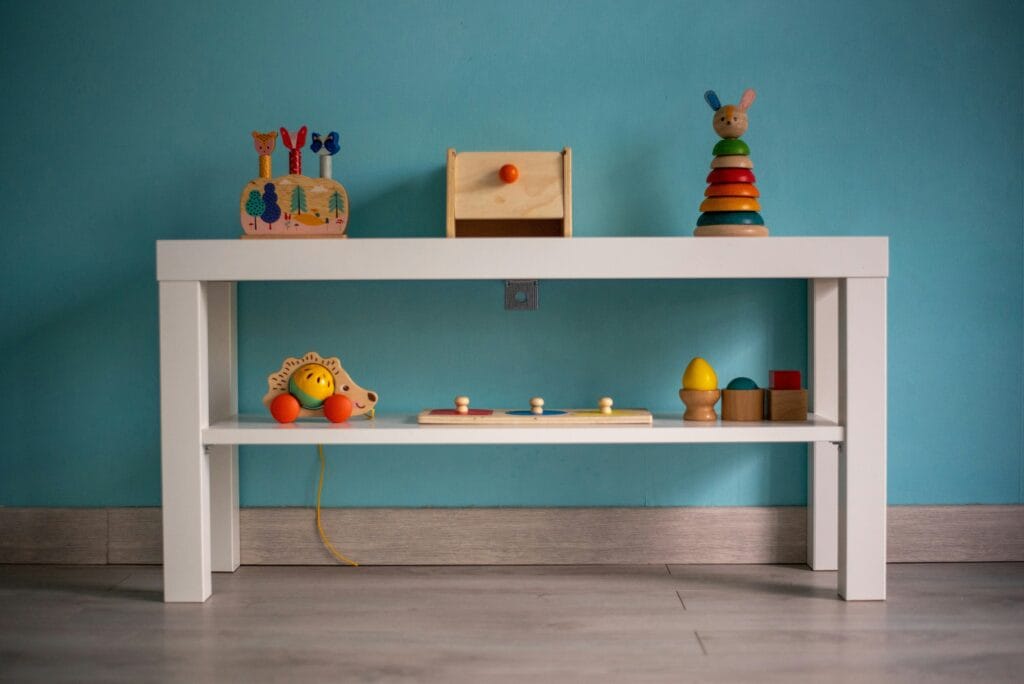
Children’s bedrooms or playrooms should be practical with easy-to-reach shelves or containers that are low enough for them to reach. If possible, label containers with pictures or words to make it easier for them to know where things belong.
Prioritise Safety
Regardless of age, a child’s safety is always a priority. Ensure all electrical sockets and wires are securely covered. Install stair gates if you have a lot of stairs in your home. Clear the floor of any small items or toys that can be a tripping hazard. If your home has a balcony or terrace, make sure it’s adequately fenced to prevent any accidents. And don’t limit your safety efforts to mechanical and electrical tasks, either. Cleaning and keeping the space well ventilated is vital for preventing dangerous mould from growing and releasing harmful spores into the air. If you do find a mould infestation during your organising spree, it’s a good idea to hire an expert to assess the situation and get rid of the problem professionally.
Encourage Participation
Lastly, involve your children in the process. Allow them to decide where they want their items to be placed (within reason!). This way, they will be likely to remember and follow through with putting things in their proper places. Reward them for their efforts and for maintaining cleanliness. While a clean and tidy home is its own reward for grown-ups, kids might need a little more incentive to really ingrain those habits.
Conclusion:
Creating a well-organised and comfortable home environment for children may appear daunting initially, but with proper planning and assistance (when needed), it can actually be relatively stress-free. Whether you tackle the whole job yourself or hire professionals to give you a head start, there’s no reason why you can’t build up positive habits that last a lifetime, both for you and your kids.
