Over the past year, I’ve started paying much more attention to what I bring into our home. Not in an extreme minimalist way, and definitely not with the aim of cutting everything back for the sake of it. It’s been more about noticing how many things we were buying out of habit rather than actual need.
When life gets busy, it’s easy to fall into autopilot. You pick things up because you always have, you replace things before they’ve run out, you buy something because it seems useful, only for it to sit untouched for weeks.
Once I started paying closer attention, a few patterns became obvious. I realised that a lot of what was coming into our home wasn’t making life easier. In many cases, it was doing the opposite. It was adding clutter, costing more than necessary, and creating more to manage.
These are some of the things I’ve stopped buying this year, and what I’ve been doing instead.
Things I’ve stopped buying (or buy far less of)
1. “Just in case” items
This was probably the biggest one for me. I used to buy things because they might come in handy at some point. Extra storage containers, household bits, random bargains, backup products.
The problem is that most of them were never actually used. Instead, they sat in cupboards taking up space and adding to that feeling of having too much. Now, if I’m tempted to buy something “just in case”, I pause and ask myself if there’s a realistic need for it right now. Most of the time, the answer is no.
2. Duplicates
I used to replace things long before they’d actually run out. Partly to stay organised, but often because I worried about running out unexpectedly. The result was cupboards full of half-used products and multiples of things we didn’t need yet.
Now I wait until something is genuinely low before replacing it. It sounds simple, but it’s reduced both waste and unnecessary spending.
3. Trend-led purchases
It’s so easy to be influenced by what you see online. Whether it’s home organisation products, lifestyle buys, or things that suddenly seem essential because everyone else has them, it’s easy to convince yourself they’ll improve daily life.
Sometimes they do. But often, they don’t fit naturally into our routines. This year, I’ve become much better at asking: Will this genuinely make life easier, or do I just like the idea of it?
That question alone has saved me from a lot of impulse buys.
4. Overbuying food
This is still a work in progress. I used to overbuy snacks, convenience food, and things I thought we’d use during the week. Too often, some of it would go to waste. Reducing food waste is something that’s being talked about more widely, too, with organisations like WRAP highlighting how small changes at home can make a difference.
Now I’m trying to shop with a clearer plan and buy more intentionally. It’s helped cut waste, save money, and reduce that constant feeling of overfilled cupboards.
What I’m doing instead
This hasn’t been about cutting everything out. It’s simply about being more intentional.
Buying when I need something, not before
Waiting until something is actually needed has made a bigger difference than I expected. There’s less clutter, less duplication, and less money tied up in things sitting unused. Becoming more aware of spending habits is something that’s often recommended by organisations like MoneyHelper, especially when trying to cut back without feeling restricted.
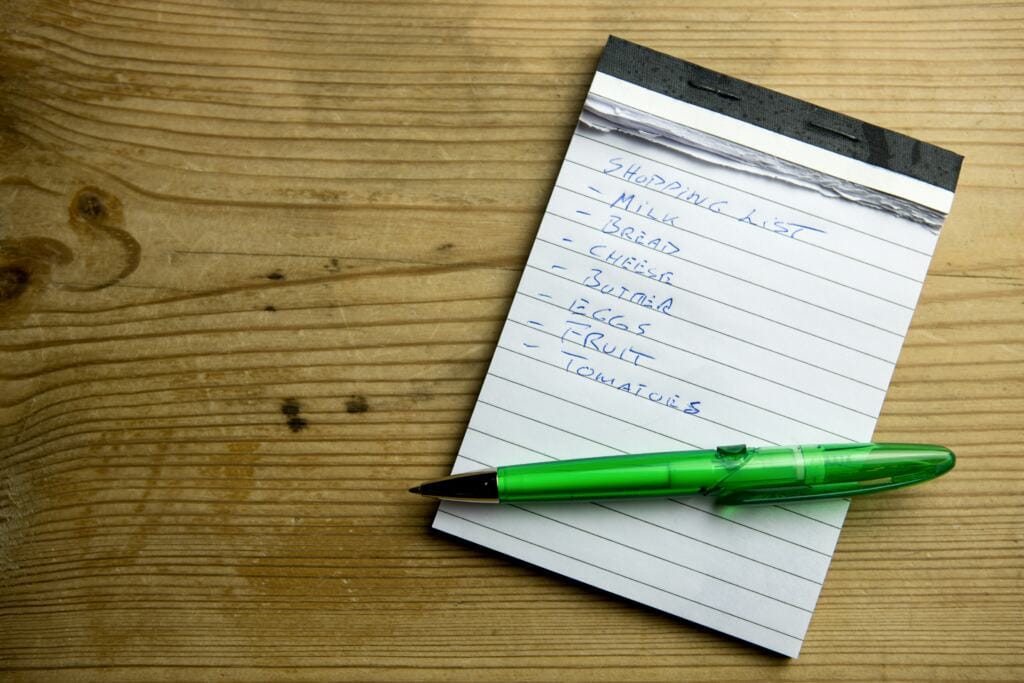
Keeping a running list
If I think I need something, I write it down instead of buying it immediately. More often than not, I come back to the list later and realise I don’t need it after all. That pause has been really helpful.
Repeating what works
I’ve stopped constantly trying new products just because they’re popular or heavily recommended. If something works well for our family, I stick with it. It removes decision fatigue and keeps things simple.
Choosing ease over perfection
Sometimes convenience really is worth paying for. The difference now is that it feels like a conscious choice rather than an automatic habit.
The difference it’s made
The biggest change has been how our home feels. It feels calmer. There’s less to tidy, less to organise, and less visual clutter competing for attention. Having less coming into the house has also made my weekly reset feel much more manageable, especially when it comes to resetting the home after a busy week.
It’s helped financially, too, but more than that, it’s reduced that constant low-level feeling of “too much”. Fewer coming in means less to manage overall. And in family life, that matters more than we often realise.
A realistic approach
This isn’t about never buying anything new. It’s not about strict rules or trying to create a perfectly minimalist home. It’s simply about stepping out of autopilot and paying a little more attention to what’s coming into your space. A lot of this has naturally led to a slower, calmer way of living at home, something I’ve been leaning into more over time.
For me, that small shift has made everyday life feel lighter, calmer, and easier to manage. And honestly, that’s been enough.
