
Technology has changed so much about the way we live our everyday lives. From smart devices in our homes to online shopping and contactless payments, many things that once seemed futuristic are now part of our normal routines. But technology is also making a huge difference behind the scenes, particularly in the world of manufacturing.
One area that is becoming increasingly important is artificial intelligence (AI). While we often associate AI with chatbots, virtual assistants and computer-generated content, it has many practical applications in industries such as manufacturing, engineering, food production and pharmaceuticals.
One particularly interesting development is the use of industrial vision systems. These clever technologies are helping manufacturers improve product quality, reduce waste and make production processes more efficient.
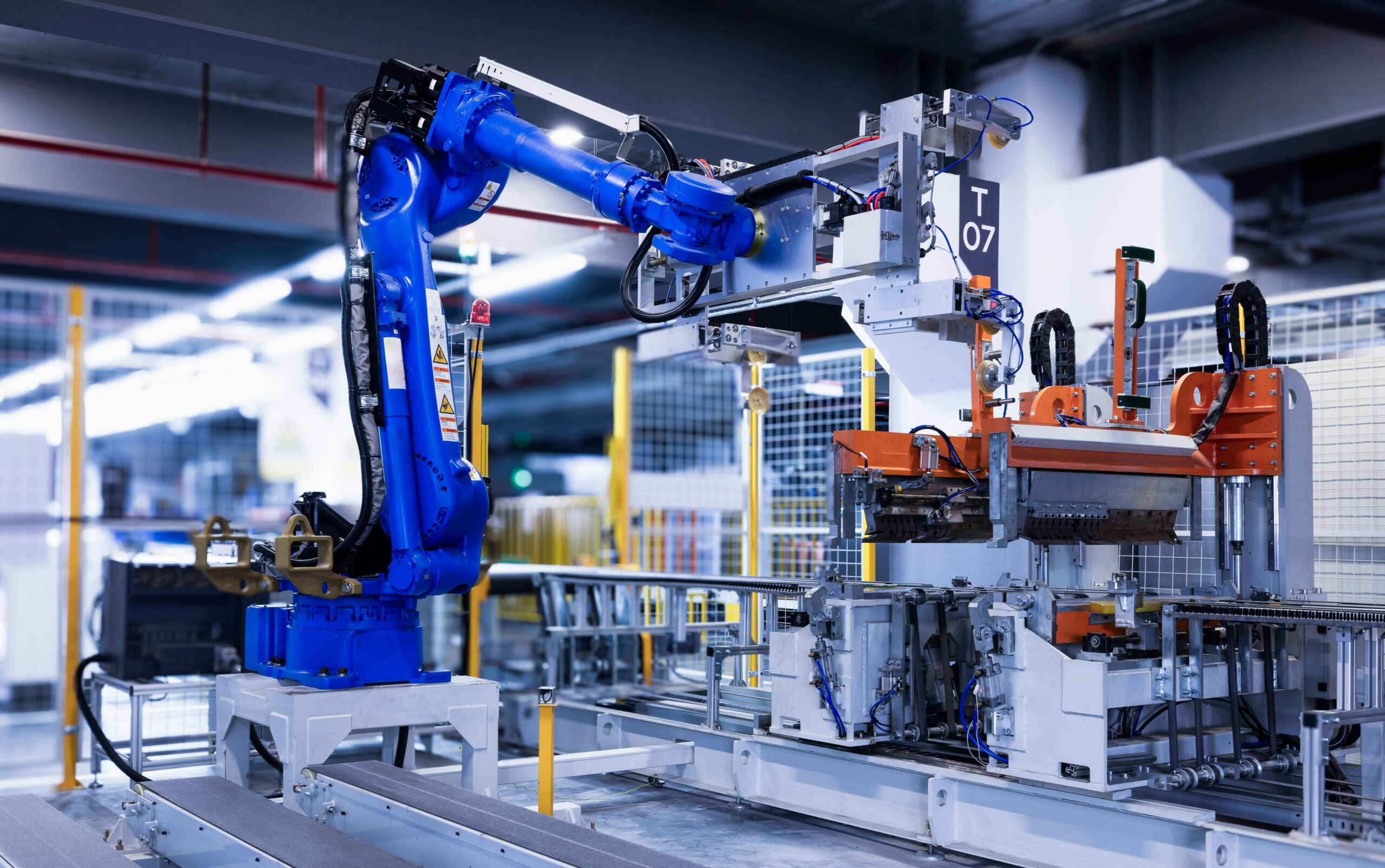
Photo by Homa Appliances on Unsplash
What Are Industrial Vision Systems?
You might not have heard of industrial vision systems before, but they play an important role in modern manufacturing.
Put simply, they use specialist cameras, software and artificial intelligence to allow machines to see, analyse and inspect products as they move through a production line.
Think about how much checking goes into making everyday products. Whether it is a bottle of shampoo, a packet of biscuits, a car component or a medical device, manufacturers need to make sure everything meets the required standards before it reaches customers.
Traditionally, many of these checks would have been carried out manually by workers. However, checking thousands of products throughout a working day can be repetitive and time-consuming. It can also be difficult for people to spot tiny differences or defects consistently.
This is where AI-powered machine vision comes into its own.
How Does AI Vision Technology Work?
Industrial vision systems use cameras to capture detailed images of products and components. Specialist software then analyses these images to identify anything that does not meet the expected standard.
Artificial intelligence takes this a step further by allowing systems to learn from examples. By analysing images of acceptable and defective products, the software can learn to recognise patterns and identify unusual features.
For example, imagine a factory producing plastic bottles. A vision system could check whether each bottle has the correct shape, whether the cap is fitted properly and whether there are any cracks or imperfections.
It can carry out these checks at high speed, allowing manufacturers to identify problems and remove faulty products before they move further along the production line.
The technology can also be used to read barcodes, check printed labels, measure components, identify missing parts and guide robotic equipment.
Five Ways AI Is Improving Manufacturing
There are several reasons why manufacturers are investing in artificial intelligence and automated inspection technology.
1. Better product quality
One of the biggest advantages is the ability to identify defects quickly and consistently. Even small imperfections can cause problems, particularly when manufacturing medical equipment, pharmaceutical products or automotive components.
Automated inspections help manufacturers maintain quality standards and reduce the chances of faulty products reaching customers.
2. Less waste and fewer unnecessary costs
Finding a problem early can prevent large quantities of materials from being wasted.
If a manufacturing issue goes unnoticed, hundreds or even thousands of defective items could be produced before somebody spots it. Automated inspection helps identify problems sooner, potentially saving businesses money on materials, repairs and rejected products.
It is also a positive step towards more sustainable manufacturing, as reducing defective products means fewer resources are wasted.
3. Faster production
Machines can inspect products at impressive speeds without needing regular breaks. This makes them particularly useful in busy manufacturing environments where large quantities of products need to be checked.
Automated inspection can help businesses increase production without compromising on quality.
4. Improved workplace safety
Some manufacturing environments involve machinery, chemicals or repetitive tasks that can be physically demanding.
Automated systems can take over certain inspection tasks, reducing the amount of time workers need to spend in potentially hazardous areas or carrying out repetitive checks.
This allows employees to concentrate on other important responsibilities that require human experience and decision-making.
5. More useful information for businesses
Modern vision systems can do more than simply identify faulty products.
They can also collect and store valuable information about production processes. Manufacturers can use this data to spot recurring problems, monitor quality trends and make improvements.
Having access to this information makes it easier to understand what is happening on a production line and where changes might be needed.
Where Are Industrial Vision Systems Being Used?
You might be surprised by just how many industries can benefit from this technology.
In the food and drink industry, automated vision systems can check packaging, labels, product appearance and contamination. In pharmaceuticals, they can inspect tablets, capsules and medical packaging to help ensure products meet strict quality requirements.
The automotive industry also relies on precision inspection. Vision technology can check whether components are correctly positioned, identify missing parts and help guide robots during assembly.
Electronics manufacturers use similar systems to examine small components and identify defects that might be difficult to see with the naked eye.
Companies such as Industrial Vision Systems specialise in developing machine vision technology and automated inspection solutions for a wide range of manufacturing applications. Their systems combine cameras, image processing and AI-powered technology to help businesses improve quality control and production efficiency.
Is AI the Future of Manufacturing?
Artificial intelligence is already making a difference to manufacturing, but there is plenty of potential for further development.
As technology becomes more advanced, businesses will have even more opportunities to automate processes, improve accuracy and make better use of production data.
It is also worth remembering that AI is not necessarily about replacing people. Instead, it can support workers by taking over repetitive tasks and providing information that helps them make better decisions.
For smaller manufacturers, adopting new technology might seem like a big investment. However, improvements in efficiency, reduced waste and fewer production errors could make it worthwhile over time.
There are also initiatives such as Made Smarter, which helps UK manufacturers explore and adopt digital technologies. Its work highlights how businesses can use innovations such as artificial intelligence to improve productivity and become more competitive.
Final Thoughts
We don’t always think about the technology involved when buying everyday products, but there is a lot happening behind the scenes to make sure the things we use are manufactured safely and to a good standard.
Industrial vision systems are a great example of how artificial intelligence can be used in practical ways. By helping manufacturers spot defects, reduce waste and improve efficiency, they are changing how products are made.
As AI continues to develop, it will be interesting to see just how much further this technology can go and what other improvements it will bring to the manufacturing industry.
Technology might not always be visible to us as consumers, but its impact is becoming increasingly difficult to ignore.
